
Thyroid Pause - 8 Common Questions.
July 08, 2021
Endocrine diseases, such as diabetes, obesity, and thyroid dysfunctions, are the second leading cause of death among women in the country (7.8%), after only cardiovascular diseases.
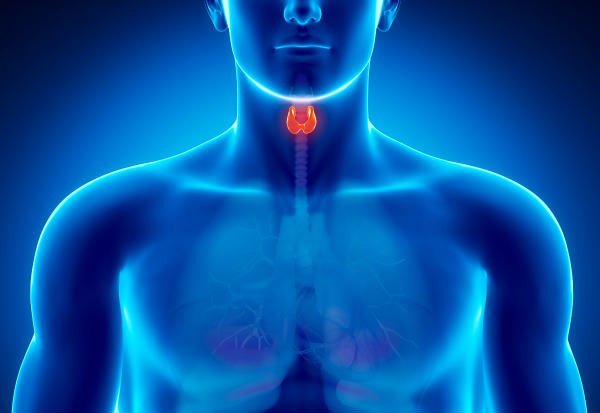
According to recent results from the IBGE 2010 census, endocrine diseases, such as diabetes, obesity, and thyroid dysfunctions, account for the second leading cause of death among women in the country (7.8%), surpassed only by cardiovascular diseases. The thyroid is an endocrine gland that serves to harmonize the body's functioning. Located in the neck, it is responsible for the production of two hormones, T3 (triiodothyronine) and T4 (thyroxine), which stimulate metabolism and affect the performance of organs such as the heart and kidneys, even altering the menstrual cycle.
Due to its critical importance, the thyroid gland must be in perfect order. When this is not the case, the body itself raises the alarm. The most common types of thyroid dysfunction are:
1. hyperthyroidism (excessive release of hormones, which significantly accelerate metabolism);
2. hypothyroidism (the gland releases T3 and T4 in smaller quantities than necessary). In the second and more common case, hypothyroidism, the most frequent symptoms are low spirits, fatigue, drowsiness, dry skin, puffy eyes, and physical and mental slowness. The disease often affects several members of the same family. However, diagnosis is not always easy, as symptoms can be attributed to other diseases with similar manifestations, such as depression and anemia.
The symptoms, unfortunately, are non-specific and develop slowly, which can be confusing. Furthermore, they can affect various organs, as the thyroid is important for regulating the functioning of several body systems, such as the cardiovascular, gastric, and nervous systems. These include: feeling cold, even when the temperature is not low; low spirits; lack of interest of all types, including interest in routine or pleasurable activities; slow speech, thought, and heart rate; bowel problems (constipation); slow reflexes; dry skin; brittle hair and nails.
2. Why does hypothyroidism occur more often in women and predominantly manifest at a certain age?
It is not precisely known why the disorder affects more women, but it is believed that one factor is the higher incidence, during menopause, of Hashimoto's disease or chronic thyroiditis, an autoimmune thyroid disease in which the body produces antibodies that attack the thyroid, making this disorder the main cause of hypothyroidism. During climacteric, a period when autoimmune diseases are more frequent, it is possible that the metabolism of hormones, such as estrogen, may be producing triggering factors for autoimmune diseases, including Hashimoto's disease.
Risk factors for hypothyroidism include: the existence of other autoimmune diseases (lupus, rheumatoid arthritis, vitiligo, type 1 diabetes), the presence of goiter (enlargement of the thyroid), and a family history of thyroid disease.
Should these tests be performed periodically? The most common test to identify thyroid hormone levels is the measurement of serum TSH, free T4, and free T3. It is recommended that all individuals over 60 years old have an annual TSH measurement, and that women, particularly those with risk factors, have TSH measured starting at age 30. Additionally, pregnant women should also undergo periodic testing.
There is no definitive cure for the disease, but control can allow the patient to lead a normal life. The most common treatment involves hormone replacement, generally in pill form, which must be taken daily. However, a warning is due: if there is too little or too much medication, opposing symptoms of hyperthyroidism may appear. The most common are: physical and mental agitation, insomnia, irritation, and weight loss.
6. What are the possible more serious consequences if there is no treatment?
The lack of thyroid hormone can lead to myxedema coma, which occurs when the patient experiences a drop in body temperature and a slowdown of all bodily functions. This weakens the immune system, facilitating the onset of other diseases, such as pneumonia and infections. Hypothyroidism can also significantly affect the heart and bones, which is why it is important to follow the treatment prescribed by the doctor.
This content is part of Clínica Revitalize's commitment to translating science into accessible clinical practice — without losing rigor or depth.