
Your Gut Can Affect Heart Function!
April 06, 2026
Have you heard of “leaky gut”? This term is gaining traction in medical research and may be much more related to your health than you
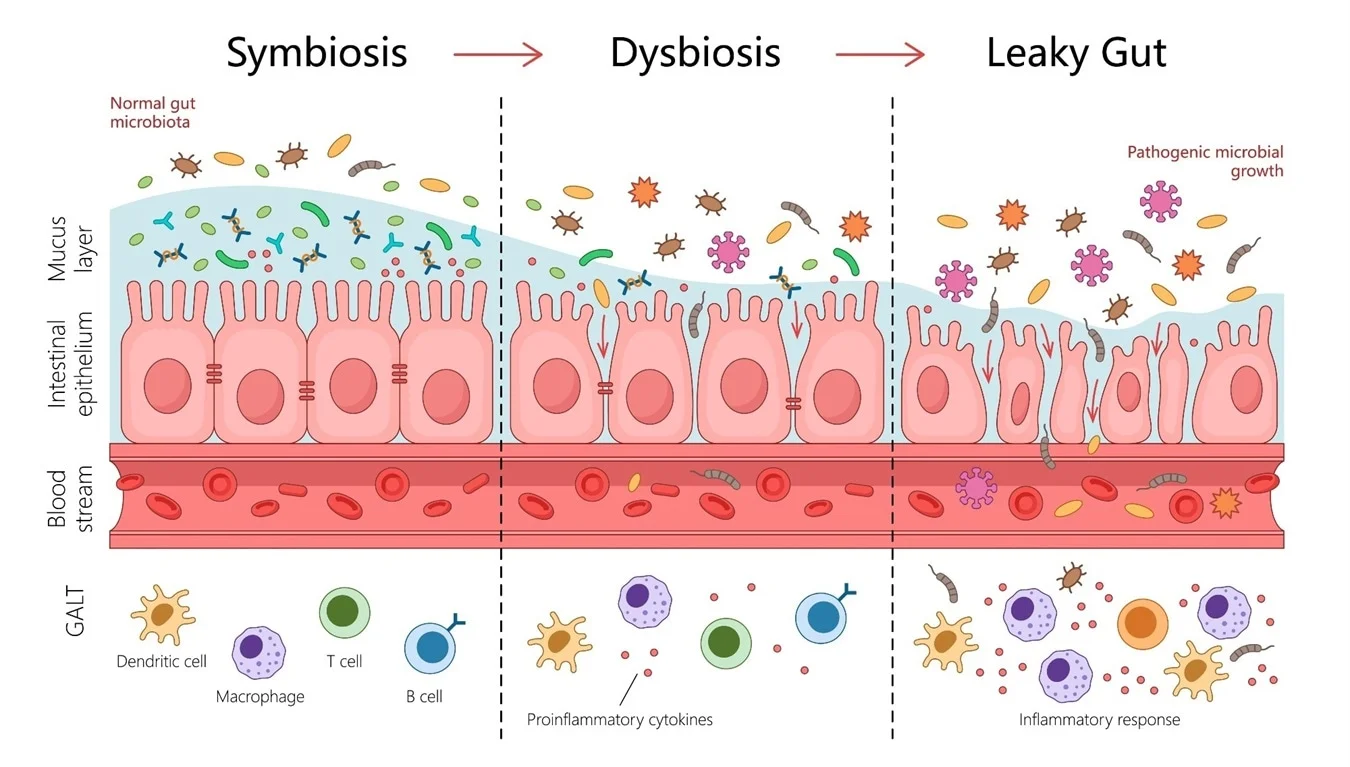
Have you heard of “leaky gut”? This term is gaining traction in medical research and may be much more related to your health than you imagine — including your heart health.
A recent scientific review published in Heart Failure Reviews showed that alterations in the gut microbiota, known as dysbiosis, can contribute to the onset and worsening of heart failure. This happens because a compromised gut allows the passage of toxins and harmful metabolites into the bloodstream, triggering systemic inflammation that directly affects the heart muscle.
In recent years, science has been discovering the so-called “gut-heart axis”: a direct connection between the balance of the gut flora and cardiovascular function.
Toxic substances like LPS (lipopolysaccharide) enter circulation.
This process activates inflammatory receptors in the heart, increasing the production of cytokines (TNF-α, IL-1, IL-6).
Additionally, metabolites such as TMAO (trimethylamine N-oxide), formed from the consumption of red meat, eggs, and animal products, have been associated with:
Not all news is bad news. Certain groups of intestinal bacteria produce protective substances, such as short-chain fatty acids (SCFAs), especially butyrate.
Unfortunately, in patients with heart failure, a reduction in these beneficial bacteria is observed, which exacerbates the cycle of inflammation and cardiac injury.
There is no single protocol yet, but evidence suggests that taking care of intestinal health can bring benefits to the heart. Some strategies already studied include:
Anti-inflammatory diet: Diets like the Mediterranean or DASH, rich in fiber, vegetables, and good fats, help nourish protective bacteria.
Prebiotics and probiotics: Can promote microbial balance, although clinical results are still varied.
Reduction of ultra-processed foods and excess red meat: To avoid the formation of TMAO at high levels.
This content is part of Clínica Revitalize's commitment to translating science into accessible clinical practice — without losing rigor or depth.