
Brazilian Children Exposed to Molecules That Alter Hormonal Balance
February 11, 2024
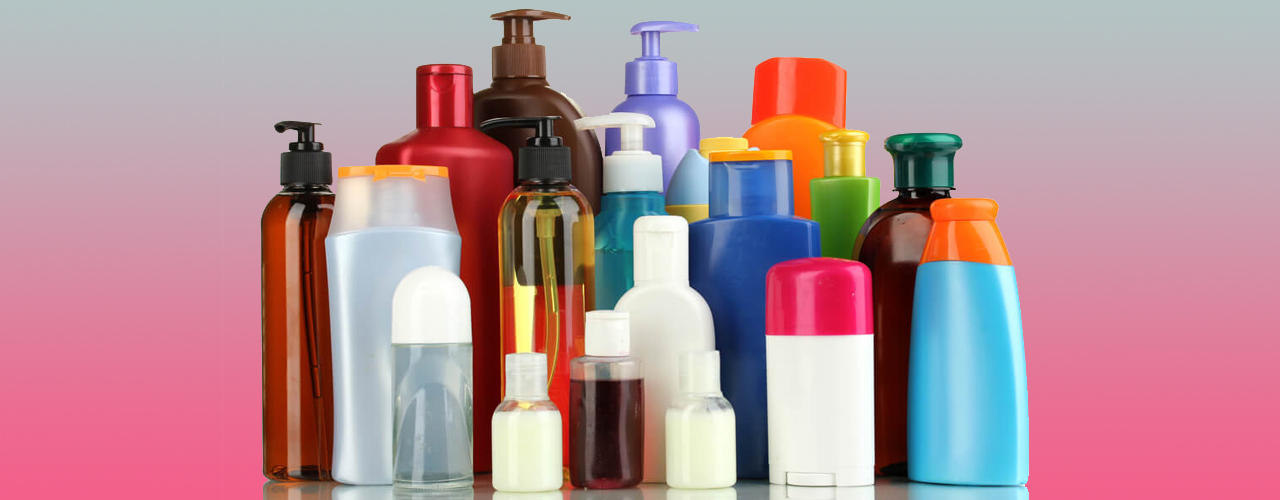
Brazilian children are exposed to high levels of parabens and benzophenones, two classes of endocrine disruptors (a type of molecule that
Brazilian children are exposed to high levels of parabens and benzophenones, two classes of endocrine disruptors (a type of molecule that does not occur naturally in the body and can alter hormonal balance) present in cosmetics and personal care products. This is the main conclusion of a study published in the journal Environmental International, conducted by researchers from the Faculty of Pharmaceutical Sciences of Ribeirão Preto (FCFRP) at USP in collaboration with North American researchers.
In the study, researchers analyzed urine samples from 300 children aged 6 to 14, collected in 2012 and 2013 across Brazil's five regions. The presence of endocrine disruptors was evaluated in these samples. Although they also affect adult health, exposure to these substances is particularly concerning in children, as hormonal balance is fundamental for healthy development.
Compared to studies conducted in other countries, the main peculiarity of the Brazilian sample was the high concentration in urine samples of endocrine disruptors commonly found in cosmetic formulations.
"Compounds like parabens, benzophenones, triclosan, and triclocarban are frequent in personal care products. Overall, the concentrations of substances that were higher in Brazil were those related to this type of product," explains Bruno Alves Rocha, the study's first author, who notes that Brazil is a global leader in personal care product sales.
Furthermore, the presence of these substances was greater in samples from children in the North and Northeast regions, which aligns with cosmetics sales data.
"In the North and Northeast regions of Brazil, the use of these products is higher than in the South," says Rocha. "Perhaps because they are warmer regions, people use more sunscreen, but we don't know," he speculates.
Another endocrine disruptor that stood out in the results was bisphenol A, a substance used in the production of some types of plastics and resins. Although its use in baby bottles has been prohibited in Brazil since 2012, bisphenol A was detected in 98% of the samples. According to Rocha, exposure to bisphenol A is extensive. Among other places, the molecule is present in canned foods, water bottles, toys, thermal paper, and even in indoor dust. Despite the finding, the levels of bisphenol A found in Brazilian samples were similar to those in countries like the US and Canada, and much lower than those observed in India and China.
Source: https://jornal.usp.br/ciencias/ciencias-da-saude/criancas-brasileiras-estao-expostas-a-moleculas-que-mudam-equilibrio-hormonal/
Discover new insights in prevention and orthomolecular medicine by following us on Instagram and Facebook.
2026 - Clínica Revitalize - All Rights Reserved
This content is part of Clínica Revitalize's commitment to translating science into accessible clinical practice — without losing rigor or depth.