
Foods that increase cancer incidence
August 07, 2020
When it comes to healthy eating, it's good to consume foods that protect against cancer development, but that won't help if you
Who isn't afraid of the word cancer? We all know a family member or friend who had or has it. And in fact, according to the American Cancer Society, over one million people in the United States alone get cancer each year. The American Cancer Society lists many possible causes for cancer, including genetic factors, lifestyle factors such as smoking, diet, and physical activity, certain types of infections, and environmental exposures to different types of chemicals and radiation. When it comes to healthy eating, it's good to consume foods that protect against cancer development, but that won't help if we consume large quantities of other foods that can increase the risk of cancer. So, let's turn our attention to these cancer-promoting foods, so we all know not only what to eat but what not to eat (or at least reduce our intake).
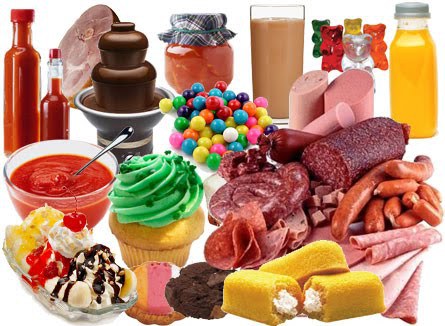
Many different substances are added to commercially prepared foods, such as colorings, chemical flavorings, salt, sugar, or artificial sweeteners. These additives are constantly investigated by researchers to verify if any of them are possibly a real risk. Sometimes there's a scare with a special additive, and some additives are considered risk factors for cancer. Heavily salted, smoked, and pickled foods, for example, can increase the risk of stomach cancer. This may explain why there's such a high rate of stomach cancer in Japan, where salted and pickled foods are popular. Also, an epidemiological study published in June 2010 in the American Journal of Clinical Nutrition found that a diet high in salt can increase the risk of stomach cancer by 10%. Artificial colorings also present many health risks. Research on artificial coloring and cancer is limited to animal studies, including mice and rats, but some claim that these colorings are toxic – possibly toxic enough to cause cancer in humans as well.
2. High consumption of red meat, processed meat, or charred foods
It has been found that bowel and stomach cancers are more common in people who eat a lot of red and processed meat. Red meat includes all fresh, minced, and frozen beef, pork, lamb, or veal. Processed meats also carry a cancer risk. These have been preserved in some way, with the exception of freezing, and include bacon, ham, salami, sausage, canned meat, blood sausage, pâtés, and preserved meats. When you eat processed meats, you are almost certainly consuming sodium nitrite or sodium nitrate, which are added to processed and cured foods to preserve color and increase shelf life. Unfortunately, these compounds can be converted into nitrosamines, which are also known to cause cancer in laboratory rats (though again, there's the link with people). Also, hot dogs, bacon, and similar products can also be preserved through methods involving smoking or salting, which also increases exposure to potentially carcinogenic chemicals.
Also, charred food creates chemicals that can damage our cells, making them more prone to becoming cancerous. Therefore, the way you cook your meat can potentially make a big difference in the cancer risk it poses to you. Well-done or grilled meats that are slightly burned on the outside are among the foods that most increase the risk of cancer.
There are a lot of websites that promote the idea that sugar “feeds” cancer. They suggest that eating sugary foods makes cancer grow faster. As a result, some cancer patients avoid eating any sugar and eliminate beneficial foods, such as fruits, which contain essential nutrients. However, there is no conclusive research in humans to prove that sugar makes cancer cells grow. Avoiding processed sugary foods is a good idea in general, but eliminating naturally occurring sugary foods will not make cancer cells stop dividing. According to the Mayo Clinic, sugar does not make cancer grow faster. All cells, including cancer cells, depend on blood sugar (glucose) for energy. But giving more sugar to cancer cells does not accelerate their growth. Similarly, depriving cancer cells of sugar does not slow their growth. The link between sugar and cancer is different – according to the Canadian Cancer Society, those who eat higher amounts of sugary foods are more prone to weight gain. Research shows that being overweight or obese increases the risk of cancer. This is because obesity can cause changes in hormone levels or insulin that can increase the risk of developing breast, colon, or uterine cancer. Therefore, limiting the amount of sugar in your diet is important. Diets high in sugar and refined carbohydrates can lead to obesity and overweight, which indirectly increases cancer risk over time.
Sugar can be found not only in obvious foods such as cookies, cakes, soft drinks, sodas, and other sweets. Sugar can even be found in pasta sauce, salad dressing, and canned vegetables. So, when reading food labels, look for sugar listed as the first ingredient and be aware of hidden sugar names: fructose, lactose, saccharose, maltose, glucose, dextrose. Natural sugars, such as molasses and honey, contain beneficial antioxidants, but these should also be consumed in moderation.
4. Fried foods, french fries, potato chips, and snacks
French fries, potato chips, and other snacks can contain high levels of acrylamide, another carcinogen that forms when foods are heated to high temperatures, such as during cooking or frying. Acrylamide can be found in any food heated to a temperature above 121°C, but french fries and potato chips had the highest levels among the tested foods. Cooking methods such as frying, baking, or roasting are more likely to produce acrylamide, while boiling, steaming, and microwaving seem less likely to do so. Longer cooking times and high temperatures can increase the amount of acrylamide in foods.
It should be mentioned that prolonged exposure to acrylamide has caused a series of tumors in animal tests (rats and mice), while most studies in humans published so far have not found any relationship between acrylamide and various types of cancers. However, many believe it has the potential to be a human carcinogen because of these animal studies. If you are still concerned, the FDA and other public health groups say that the best way is to follow general advice on healthy eating, including limiting the consumption of fried and fatty foods.
Other components found in these types of foods that can increase cancer risk are trans fats or trans fatty acids. These are formed when manufacturers convert liquid oils into solid fats through a process called hydrogenation. And, in fact, trans fats can be found in many foods, including vegetable shortening, margarine, cookies, cereals, sweets, baked goods, crackers, cereal bars, french fries, snacks, salad dressings, fried foods, fats, and many other processed foods. Trans fats can not only increase the risk of cardiovascular disease and type 2 diabetes, but high intake of trans fatty acids may have a direct relationship with prostate cancer in men, which ranks number one among the most common malignant cancers in American men. Chronic inflammation plays an important role in the development of prostate cancer, and the association of trans fats and chronic inflammation may explain the link between prostate cancer and trans fatty acid intake. However, more studies and clinical trials are needed to establish this fact.
There is a strong scientific consensus on the relationship between alcohol consumption and various types of cancer. The more alcohol a person drinks regularly over time, the higher their risk of developing an alcohol-associated cancer. According to Cancer Research UK and the American Cancer Society, alcohol can increase the risk of several types of cancer, such as mouth cancer, liver cancer, breast cancer, bowel cancer, and throat cancer. You’ve probably heard about other studies that found that certain substances present in red wine, such as resveratrol, have anti-cancer properties, but like many things in life, moderation is key. Within their guidelines on nutrition and physical activity for cancer prevention, the American Cancer Society recommends that people who drink alcohol limit their intake to no more than 2 drinks per day for men and one drink per day for women.
This content is part of Clínica Revitalize's commitment to translating science into accessible clinical practice — without losing rigor or depth.